
You can outsource order entry and shipment tracking right now, and they are usually the first tasks logistics owners hand off. Both are repeatable, rule-based, and easy to document. A trained nearshore team enters orders into your TMS or WMS and pushes proactive shipment status updates to customers, freeing your in-house staff for exceptions and relationships.
Last updated: 2026-06-17
Why Order Entry and Shipment Tracking Go First
Some back-office work is hard to delegate because it lives in someone’s head. Order entry and tracking are the opposite. They follow a script. An order arrives by email or portal, and someone keys it into your system the same way every time. A shipment moves, and a customer wants to know where it is.
That predictability is exactly why these tasks are safe to hand off early. You write down the steps once. After that, a remote team runs them against your existing software, with no guesswork.
The market already moved this direction. Between 37% and 60% of e-commerce companies outsource some or all of their order fulfillment to a third party, and 55% plan to increase that outsourcing soon. You are not taking a fringe bet. You are catching up to how logistics operations already run.
If you want the bigger picture first, start with our guide on logistics back-office outsourcing, then come back here for the task-level details.

Can You Outsource Order Entry and Order Processing?
Yes. Order entry refers to the process of receiving a customer order and recording it accurately into your order management system, and it is one of the cleanest tasks to outsource because the inputs and outputs are defined. The team receives an order, validates the fields against your rules, then enters it into your order management system or 3PL platform. No interpretation required.
The financial case is strong too. Companies outsourcing order processing can save 15-30% on overall processing costs versus running it in-house, according to industry studies cited by GigaBPO. Part of that comes from labor cost. Part comes from fewer mistakes, which we will get to next.
A typical outsourced order-entry workflow covers:
- Receiving orders from email, EDI, web forms, or customer portals
- Validating SKUs, quantities, addresses, and pricing against your rules
- Entering clean orders into your TMS, WMS, or ERP
- Flagging anything that does not match so your team can decide
You keep the judgment calls. The team handles the volume.
The Hidden Cost of Keeping Order Entry In-House
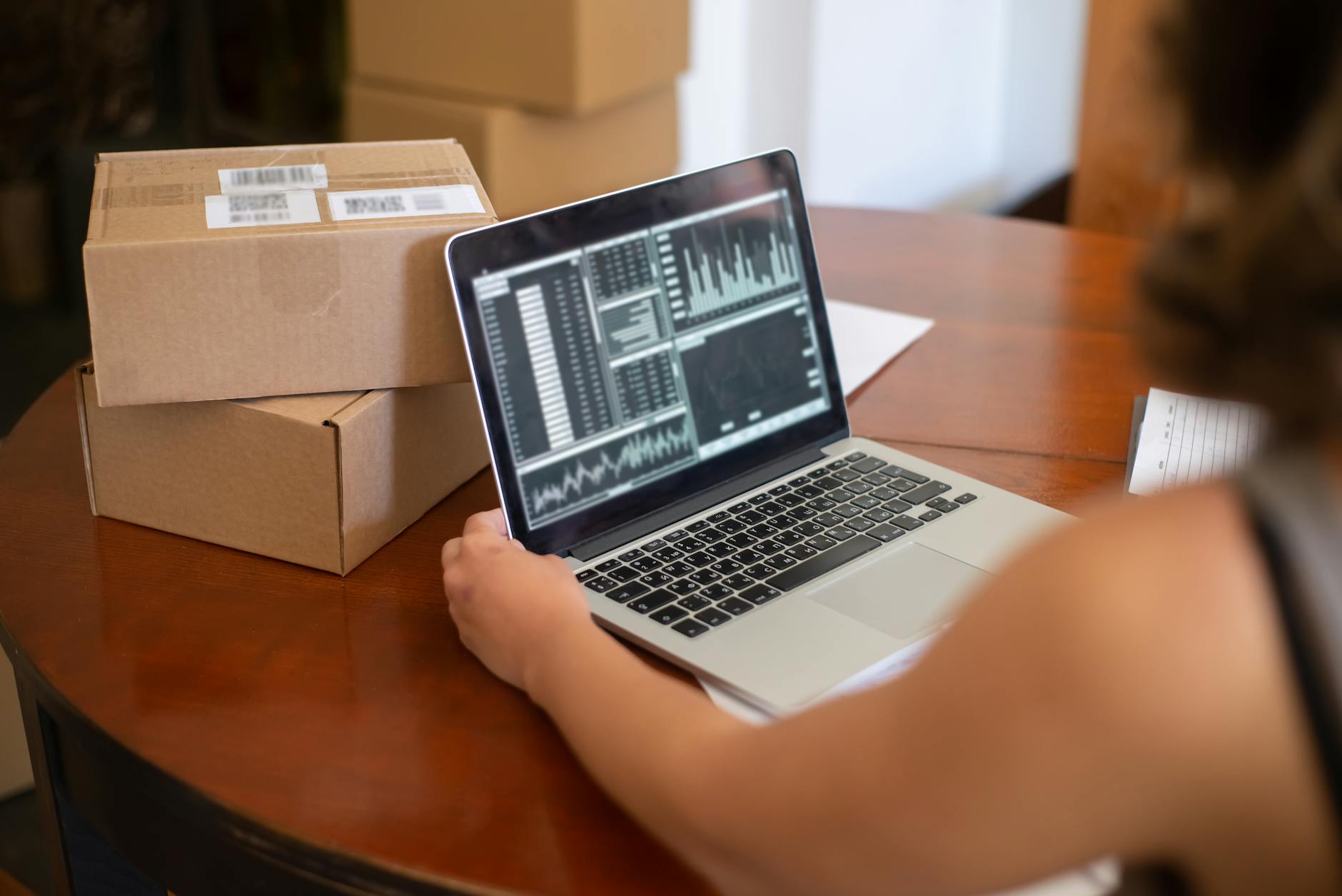
Manual order entry is where errors hide. The average human data entry error rate runs 1-4% under typical working conditions, and each mistake carries a downstream correction cost that climbs the longer it goes unnoticed. A wrong address or a transposed quantity can mean a reshipment, a refund, or a lost customer.
Here is how the math plays out for a small logistics operation processing 5,000 orders a month:
| Order volume / month | Error rate | Errors / month | Est. cost at $50/error |
|---|---|---|---|
| 5,000 | 1% | 50 | $2,500 |
| 5,000 | 2% | 100 | $5,000 |
| 5,000 | 4% | 200 | $10,000 |
A dedicated team that does nothing but order entry, with a second-pass review step, drives that error rate down. That is the quiet ROI most owners miss when they only compare hourly rates. For a deeper cost breakdown, see our logistics back-office category.
Can Shipment Tracking Be Outsourced?
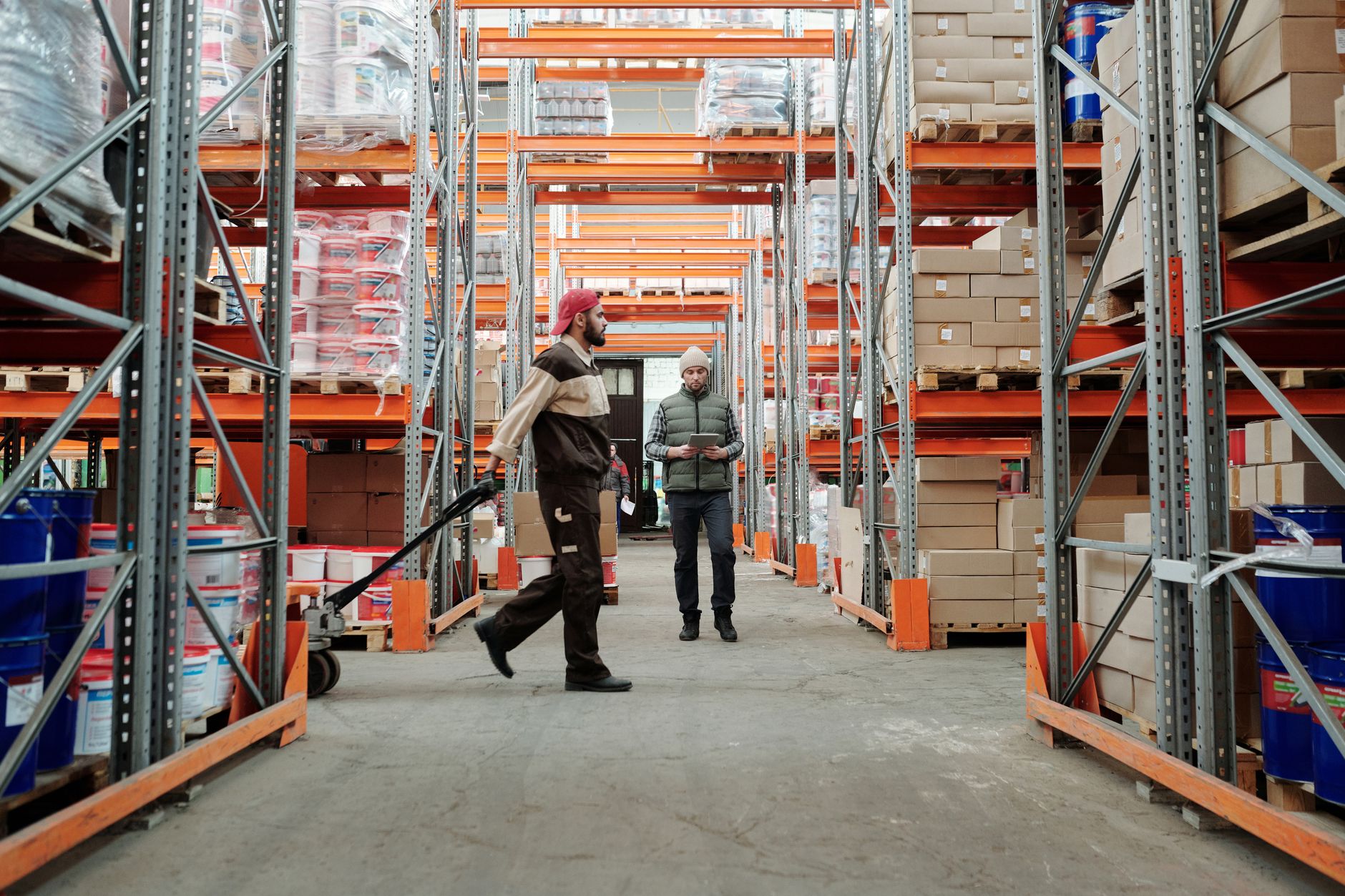
Yes, and it pays off fast. “Where is my order” questions are a heavy, repetitive load on your team. WISMO inquiries account for 10-25% of support contacts during normal months, and they spike far higher during peak season, with each one costing roughly $4 to $12 to handle.
An outsourced team flips this from reactive to proactive. Instead of waiting for the customer to ask, the team watches carrier feeds and sends status updates before the question ever lands. Fewer inbound tickets. Calmer customers.
Outsourced shipment tracking usually includes:
- Monitoring carrier tracking feeds for delays and exceptions
- Sending proactive status updates to customers by email or SMS
- Answering inbound “where is my order” questions with current data
- Escalating stuck or lost shipments to your team or the carrier

How an Outsourced Team Handles Order Entry Day to Day
The work runs inside your systems, not a separate silo. You grant the team access to your order platform and share a documented standard operating procedure that sets the validation rules. From there, the team becomes an extension of your shift.
Time zone matters here. A nearshore team in Colombia works your business hours, so an order that lands at 10 a.m. Eastern gets entered by 10:15, not overnight after you have logged off. That real-time pace is hard to get from offshore providers eight or twelve hours ahead.
Because RAM BPO already runs recruiting, screening and hiring, a dedicated team starts sooner than a US hiring cycle, so you are not waiting months to clear the backlog. The team learns your SOPs during onboarding and starts handling live volume quickly.
What Outsourced Dispatch Support Looks Like
Dispatch support sits next to order entry and tracking. It covers the coordination work that keeps freight moving. Think confirming pickups, checking appointment times, updating the load board, and relaying carrier ETAs back to your team. It is administrative muscle, not decision-making authority.
Think of it as the connective tissue between your order desk and your carriers. Your dispatchers keep control of routing and exceptions. The outsourced team handles the phone calls, data updates, and confirmations that eat their day. To see how this fits with broader back-office delegation, our guide to nearshore outsourcing maps out the full model.
Frequently Asked Questions
Can I outsource order entry and order processing?
Yes. Order entry and processing are among the easiest logistics tasks to outsource because they are rule-based and repeatable. A trained team validates incoming orders and keys them into your TMS, WMS, or ERP using your documented rules. You keep the exceptions and judgment calls while the team absorbs the routine volume and reduces entry errors.
Can shipment tracking be outsourced?
Yes. Shipment tracking is a strong candidate because it follows clear steps and runs against carrier data your team already uses. An outsourced team monitors tracking feeds, sends proactive status updates, and answers customer inquiries. This cuts down the “where is my order” tickets that flood your support line, especially during peak shipping season.
What logistics tasks are easiest to outsource first?
Start with order entry, order processing and shipment tracking. These tasks are documented and repeatable, which makes them low-risk to delegate. Customer status updates and basic dispatch support follow close behind. Save the complex exception handling and high-stakes carrier negotiations for later, once your remote team understands your operation and earns your trust.
How does an outsourced team handle order entry?
The team works inside your systems. You grant access to your order platform and hand over a written standard operating procedure that defines the validation rules. The team receives orders from email, EDI, or portals. It checks each one against your rules before entering the clean orders. Anything that fails validation gets flagged back to you.
Can an outsourced team send customer shipment updates?
Yes. A trained team monitors carrier feeds and pushes proactive shipment updates to your customers by email or SMS. Instead of waiting for customers to ask where their order is, the team tells them first. This proactive approach lowers inbound support volume and improves the post-purchase experience without adding to your in-house headcount.
What is outsourced dispatch support?
Outsourced dispatch support is the administrative coordination that keeps freight moving. It includes confirming pickups and checking appointment windows. The team also updates load boards and relays carrier ETAs to your in-house staff. The outsourced staff handle the calls and data updates while your in-house dispatchers retain control over routing decisions and exception management.
Key Takeaways
- Order entry and shipment tracking are usually the first logistics back-office tasks to outsource because they are rule-based and easy to document.
- Outsourcing order processing can cut overall processing costs by 15-30%, while reducing the 1-4% error rate that comes with manual entry.
- Proactive shipment tracking shrinks WISMO ticket volume, which can eat 10-25% of your support contacts in a normal month.
- A nearshore team in your time zone enters orders in real time and sends status updates before customers have to ask.
- Keep exceptions, routing and judgment calls in-house. Hand off the high-volume routine work.
If your team is buried in order keying and tracking requests, those are the right tasks to delegate first. RAM BPO builds dedicated nearshore logistics teams that run inside your systems during your business hours, so you can move repetitive back-office work off your plate without sacrificing speed or accuracy. Take a look at our logistics back-office outsourcing page to see how a task handoff would work for your operation.
Related Reading: Carrier Follow-Up and Communication: How Nearshore Teams Handle It Better.